Think of SEO as your digital megaphone – it helps your message reach the right ears at the right time. When done correctly, SEO practices can improve your visibility in search results, connect you with passionate supporters, build trust through a consistent online presence, make the most of your limited marketing resources, and drive sustainable, organic growth.
Your nonprofit’s mission deserves attention. Mastering SEO fundamentals will create a strong online presence that attracts supporters and advances your cause in the Canadian charitable sector.
Understanding SEO
Search Engine Optimisation (SEO) improves your website’s visibility in search engine results by carefully changing your online content and technical structure.
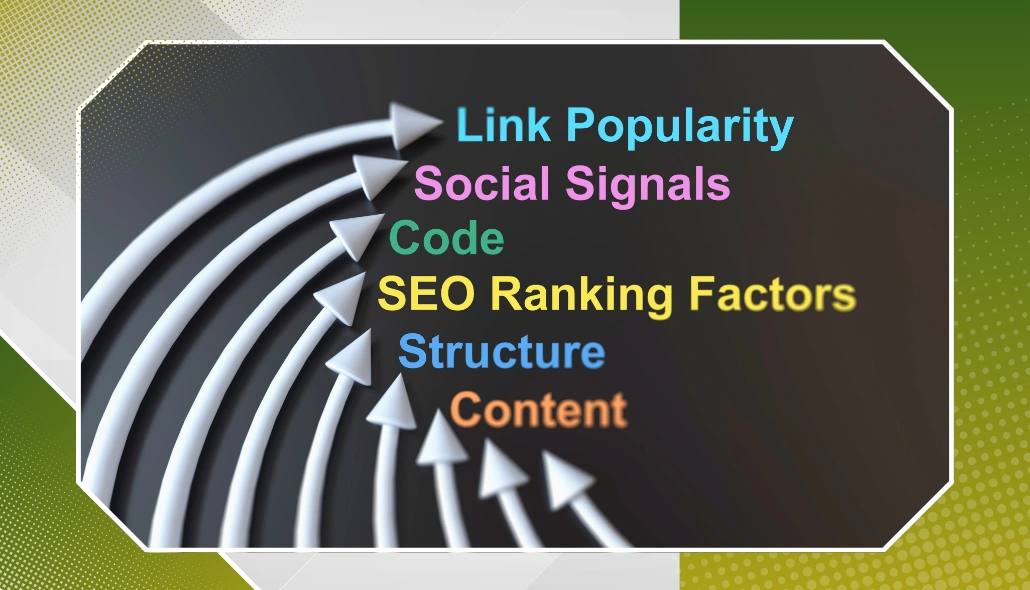
Search engines like Google use precise algorithms to determine website rankings based on several key factors:
- Content Relevance: Your website’s content must match user search intent
- Website Authority: Links from reputable websites signal trustworthiness
- Technical Performance: Fast loading speeds and mobile optimisation impact rankings
- User Experience: Easy navigation and clear structure help both users and search engines
- Keywords: Strategic placement of relevant terms your audience searches for
Google’s crawlers regularly scan websites, looking at these factors to decide which pages should rank higher. The better your website ranks, the more likely interested donors and volunteers will discover your nonprofit organisation.
An optimised nonprofit website includes on-page elements (like content, meta descriptions, and headers) and off-page factors (such as backlinks and social signals) to establish authority in your specific cause or sector.
Benefits of SEO for Canadian Nonprofits
Search engine ranking directly impacts your nonprofit’s ability to attract donors and volunteers. Research shows that 75% of users never pass over the first page of search results, making top rankings crucial for visibility.
Key Advantages for Your Organisation:
Enhanced Donor Engagement
- Higher rankings increase donation opportunities
- Improved visibility during peak-giving seasons
- Direct access to engaged, cause-focused audiences
Stronger Volunteer Recruitment
- Strategic keyword targeting for volunteer searches
- Local SEO optimisation for community outreach
- Increased visibility during high-demand periods
Building Trust Through Search Presence
Your search ranking influences stakeholder confidence. Top positions signal credibility and legitimacy to potential supporters. Organisations appearing in top results experience:
- 53% higher click-through rates
- Increased brand recognition
- Greater perceived authority in their field
User Experience Impact
A well-optimised website creates meaningful engagement through:
- Fast loading speeds (under 3 seconds)
- Clear navigation structures
- Mobile-responsive design
- Accessible content layout
Small Organisation Strategies
Limited-resource organisations can improve rankings by:
- Focusing on specific, low-competition keywords
- Creating location-based content
- Developing niche expertise areas
- Building local backlink networks
Engagement Metrics That Matter
Track these key performance indicators:
- Time spent on site
- Pages per session
- Bounce rate reduction
- Return visitor rates
- Conversion tracking
Your website serves as a digital space for stakeholder interaction. Strong SEO practices ensure your content reaches the right audiences at crucial moments. Target keywords aligned with your mission attract qualified traffic – people actively searching for ways to support causes like yours.
Technical SEO Practices for Nonprofits
The technical aspects of SEO create a strong foundation for your nonprofit’s online visibility. Let’s explore the essential elements you need to implement:
Meta Tags: Your Website’s First Impression
Meta tags act as your website’s digital handshake with search engines. You’ll want to create unique title tags for each page, incorporating your nonprofit’s name and primary keywords. Use titles between 50 and 60 characters to ensure they display correctly in search results.
Crafting Compelling Meta Descriptions
- Write clear, action-oriented descriptions between 150-160 characters
- Include your nonprofit’s value proposition
- Add location-specific information for local searches
- Use natural language that connects to your target audience
XML Sitemaps: Your Website’s Roadmap
Search engines need a clear path to discover and index your content. XML sitemaps serve as this essential roadmap. You can generate sitemaps using tools like Yoast SEO or Google XML Sitemaps plugin for WordPress sites.
Local SEO Optimisation
Your nonprofit’s local presence matters. Include these elements in your strategy:
- NAP (Name, Address, Phone) consistency across all platforms
- Google Business Profile Optimisation
- Local keyword integration in content
- Location-specific landing pages
Schema Markup Implementation
Schema markup helps search engines determine your content’s context. For nonprofits, key schema types include:
- Organisation markup
- Event markup for fundraisers
- Donation page markup
- Local business markup
- Article markup for blog posts
These technical elements strengthen your website’s foundation and improve your visibility in search results.
Content Quality and Strategy for Nonprofits
Delivering high-quality content is a key part of successful nonprofit SEO strategies. Your content should address your audience’s questions and challenges while showcasing your organisation’s impact and expertise.
Building Trust Through Reliable Content
- Create resource pages that answer common donor questions
- Share detailed impact reports with verifiable statistics
- Develop comprehensive guides about your cause
- Feature expert insights from your team members
Long-form content helps establish your nonprofit as an authoritative voice in your sector. You can achieve this by:
- Writing in-depth case studies about successful projects
- Publishing detailed annual reports
- Creating comprehensive educational resources
- Developing thorough FAQ sections
Storytelling That Drives Action
Your content strategy should include compelling narratives that:
- Highlight real beneficiary stories
- Share volunteer experiences
- Document project milestones
- Demonstrate tangible impact through before-and-after scenarios
These stories need to include:
- Clear, emotionally resonant narratives
- High-quality images and videos
- Direct quotes from beneficiaries
- Particular examples of how donations make a difference
Remember to follow a consistent publishing schedule and expand your content regularly to keep your visitors connected and returning to your site.
Monitoring, Adapting Strategies, Mobile Optimisation, and Site Performance for Nonprofits
Data-driven decision-making transforms your nonprofit’s SEO strategy from guesswork into a precise science. Google Analytics and SEMrush provide valuable insights into:
- Visitor behaviour patterns
- Popular content topics
- Search terms driving traffic
- User demographics
- Conversion rates for donations
Your analytics data reveals which pages attract the most engagement, helping you replicate successful content strategies across your site—track details like bounce rates and time on the page to identify areas needing improvement.
Mobile optimisation stands as a non-negotiable element of modern SEO. A responsive design ensures your website displays correctly across all devices:
- Readable text without zooming
- Properly spaced navigation buttons
- Images that scale appropriately
- Forms optimised for touch screens
Site speed directly impacts both user experience and search rankings. Quick-loading pages keep visitors engaged and improve your SEO performance. Essential speed optimisation techniques include:
- Compressing images
- Minimising code
- Leveraging browser caching
- Using content delivery networks (CDNs)
Regular performance testing through tools like Google’s PageSpeed Insights helps identify specific areas for improvement. Set benchmarks for load times – aim for pages to load within 2-3 seconds to maintain user engagement and prevent visitor abandonment.
Conclusion
Implementing SEO strategies creates a solid foundation for nonprofit growth in Canada’s digital landscape. Your organisation’s mission deserves visibility, and strategic SEO practices put your cause in front of the right audience.
Start small – focus on one strategy at a time. Update your meta descriptions, optimise your content for local searches, or enhance your website’s mobile experience. Each step brings you closer to improved online visibility and more significant impact.
Ready to amplify your nonprofit’s digital presence? Rankingeek Marketing Agency specialises in SEO services tailored for Canadian nonprofits. Let’s work together to boost your organisation’s reach and connect you with supporters who share your vision. Contact Us today. Your cause matters, and the right SEO strategy can help you make a more significant difference.