
.png)

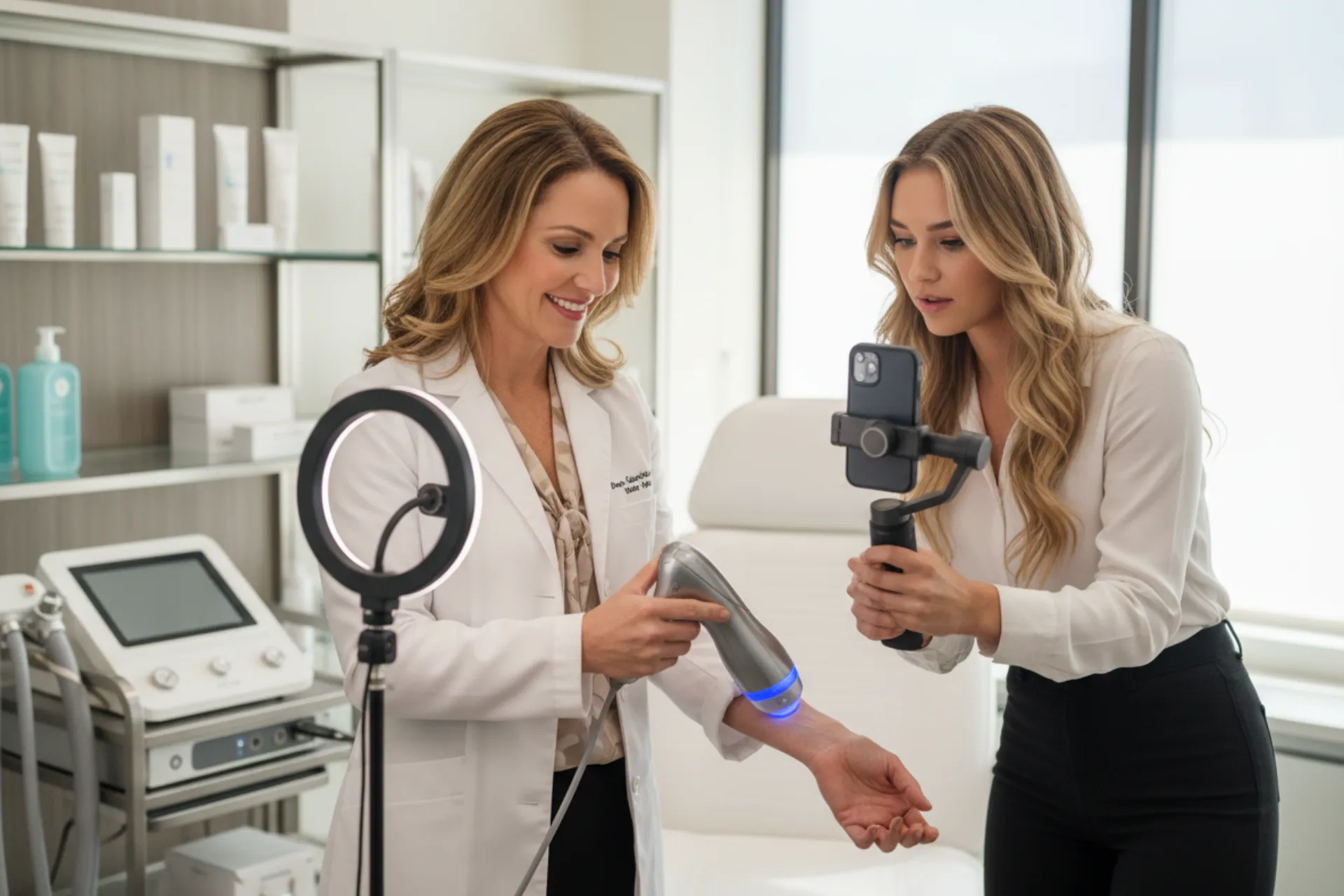

The Power of Local Micro-Influencers for Medical and Wellness Clinics
In the era of social media dominance, local micro-influencers have emerged as the most effective partners for clinics aiming to reach authentic, highly targeted audiences. Unlike celebrity influencers or large-scale campaigns, micro-influencers possess smaller but deeply engaged communities within specific geographic or niche markets. For medical and wellness clinics, partnering with these creators offers unparalleled access to potential patients who trust their recommendations and value personalized, relatable content. This playbook outlines how to find, vet, and collaborate with local micro-influencers who will genuinely drive patient bookings.
Why Micro-Influencers Trump Big-Name Influencers in Healthcare
Micro-influencers typically have follower counts ranging from 1,000 to 50,000, often within hyper-local regions or specialized wellness niches. Their smaller audience size fosters higher engagement rates and authentic conversations, key ingredients for trust in sensitive healthcare decisions. Unlike broad-reach celebrity campaigns that risk seeming impersonal or transactional, micro-influencers create content that feels trustworthy and tailored, leading to better patient conversion. Clinics investing in micro-influencer partnerships benefit from cost-effectiveness, precise targeting, and lasting patient relationships nurtured through ongoing influencer content.
Finding Authentic Micro-Influencers in the Medical and Wellness Niches
Identifying the right micro-influencers starts with targeted research on social platforms popular with your audience—Instagram, TikTok, YouTube, and local Facebook groups. Look for creators who frequently discuss health, beauty, fitness, nutrition, or mental wellness topics relevant to your services. Use hashtag searches combining location and niche terms, e.g., “#MumbaiWellness” or “#ChennaiSkincare.” Tools like Upfluence, Heepsy, or even Google Sheets-supported manual searches can streamline sourcing candidates. Prioritize influencers showing genuine knowledge, transparent collaboration histories, and follower authenticity indicated by meaningful comments and steady engagement.
Vetting Influencers: Metrics and Authenticity Checks
After compiling a list, vet each influencer rigorously across quantitative and qualitative factors. Evaluate engagement rate (likes, comments, shares) over follower count to ensure active, invested audiences. Scrutinize follower quality by checking for bot-like patterns or irrelevant demographics using analytics tools.
Review past sponsored content to assess relevance and credibility—do they align naturally with healthcare, and do they maintain transparency with audiences? Conduct one-on-one conversations to understand creator professionalism, communication skills, and willingness to authentically represent your clinic’s values and patient care philosophy.
Designing Collaborations That Convert
Successful micro-influencer partnerships depend on clear, mutually beneficial collaboration frameworks. Define campaign goals upfront: brand awareness, lead generation, or specific treatment bookings. Co-create content ideas emphasizing storytelling rather than overt ads—patient journey interviews, treatment day vlogs, wellness tips incorporating your services. Provide influencers with educational resources about your clinic and treatments to ensure accuracy without scripting content rigidly. Encourage authentic testimonials and spontaneous reactions to maintain credibility. Utilize trackable promo codes or unique booking links to measure conversion. Continuously engage influencers with long-term brand ambassador programs rather than one-off sponsored posts for sustained impact.
Measuring Impact and Scaling Your Influencer Network
Implement robust tracking systems to monitor how influencer campaigns translate into website traffic, social media engagement, appointment bookings, and ROI. Use UTM parameters and CRM integrations to attribute conversions accurately. Collect feedback from referred patients to refine targeting and messaging. Analyze top-performing influencers to increase their campaign frequency and identify look-alike creators to expand your network. By scaling thoughtfully and maintaining influencer authenticity, your clinic creates a continuous pipeline of qualified new patients sourced directly through trusted local voices.
Avoiding Common Pitfalls in Micro-Influencer Marketing
Clinics often fall into traps such as focusing solely on follower size, neglecting authenticity and engagement metrics. Overly controlling influencer content leads to stiff, ineffective promotions that audiences reject. Ignoring long-term relationship building results in one-off posts with minimal lasting impact. Lack of clear conversion tracking causes wasted budgets and missed optimization opportunities. Finally, overlooking regional and cultural nuances reduces relevance and connection. Awareness and proactive management of these pitfalls sets successful clinics apart in leveraging micro-influencers for patient acquisition.
90-Day Action Plan: Partnering with Local Micro-Influencers for Clinics
Days 1-15: Research and Candidate Identification
- Define your ideal micro-influencer profile based on clinic services, local demographics, and target patient personas.
- Conduct platform-specific searches using niche and location hashtags (e.g., #WellnessBangalore, #SkinCareDelhi) on Instagram, TikTok, and YouTube.
- Use influencer discovery tools (Upfluence, Heepsy) to compile a list of 30-50 potential micro-influencers exhibiting genuine, engaged followings.
- Analyze basic metrics including follower count (1K-50K), engagement rates, and content relevance.
- Shortlist 15-20 influencers for deeper vetting.
Days 16-30: Vetting and Outreach:
- Assess authenticity by reviewing comments for real conversations and audience demographics to ensure local relevance.
- Evaluate previous sponsored posts for quality, transparency, and alignment with healthcare ethics.
- Send personalized outreach messages identifying mutual goals, inviting interest in partnerships.
- Schedule exploratory calls or meetings with responsive influencers to discuss collaboration potential and explain clinic values, compliance requirements, and campaign goals.
- Finalize a shortlist of 5-10 promising micro-influencers.
Days 31-45: Collaboration Planning and Content Co-Creation
- Co-develop content ideas emphasizing storytelling, educational value, and authentic patient experiences.
- Provide influencers with comprehensive treatment info, FAQs, and branding guidelines without limiting creativity.
- Define campaign objectives clearly—awareness, lead generation, or treatment bookings.
- Agree on collaboration logistics including timelines, content formats, compensation, and tracking mechanisms (unique promo codes, landing pages).
- Plan initial content calendar for launch.
Days 46-60: Campaign Launch and Active Management
- Launch initial influencer posts, stories, or videos aligned with agreed content themes.
- Monitor engagement and audience feedback in real-time.
- Promote influencer content through your clinic's owned social channels.
- Engage with influencer audience responses to build community and answer patient queries.
- Collect booking data and track conversions tied to influencer campaigns via UTM tags and CRM integration.
Days 61-75: Optimization and Scaling
- Analyze performance metrics including reach, engagement, and appointment bookings per influencer.
- Conduct feedback sessions with influencers to refine messaging or address any challenges.
- Identify top-performing influencers for increased collaboration frequency.
- Onboard additional influencers modeled on successful profiles to expand your local influencer network.
- Experiment with diversified content formats (live sessions, tutorials, testimonials, giveaways).
Days 76-90: Long-Term Relationship Building and Reporting
- Establish ongoing brand ambassador agreements with your highest-impact influencers for sustained patient referral.
- Provide influencers with sneak peeks of new treatment launches, exclusive clinic events, or VIP patient stories for content exclusivity.
- Compile a comprehensive campaign performance report outlining ROI, lessons learned, and future opportunities.
- Plan next 3-6 month influencer marketing roadmap based on data-driven insights and community feedback.
- Continue nurturing influencer relations through regular communication, performance incentives, and collaborative innovation.